Show Notes: s3e122 Suzanne Karr Schmidt
Join Ann Shafer in conversation with Suzanne Karr Schmidt, curator of rare books and manuscripts at the Newberry Library, as they explore the fascinating world of pre-modern printing on fabric. From lavish academic thesis prints and satirical handkerchiefs to the overlooked contributions of female publishers like Manuela Cerezo, Suzanne unpacks her new book and exhibition, Impressive Textiles, revealing how printing on textiles before 1800 created tactile, glittering objects that paper simply couldn't match.
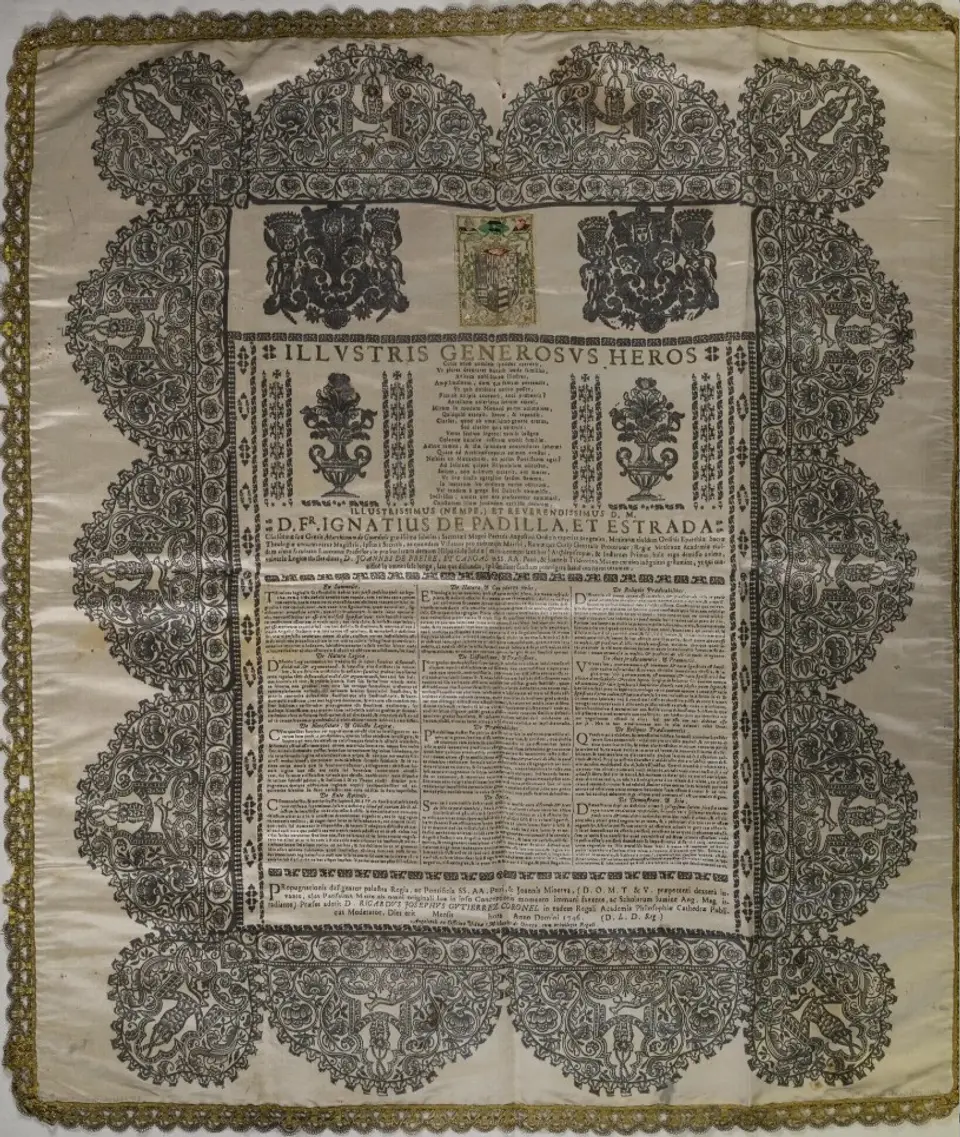 Ph.D. Thesis on satin published by Manuela Cerezo in Puebla, Mexico, in 1746. Newberry Library, Chicago.
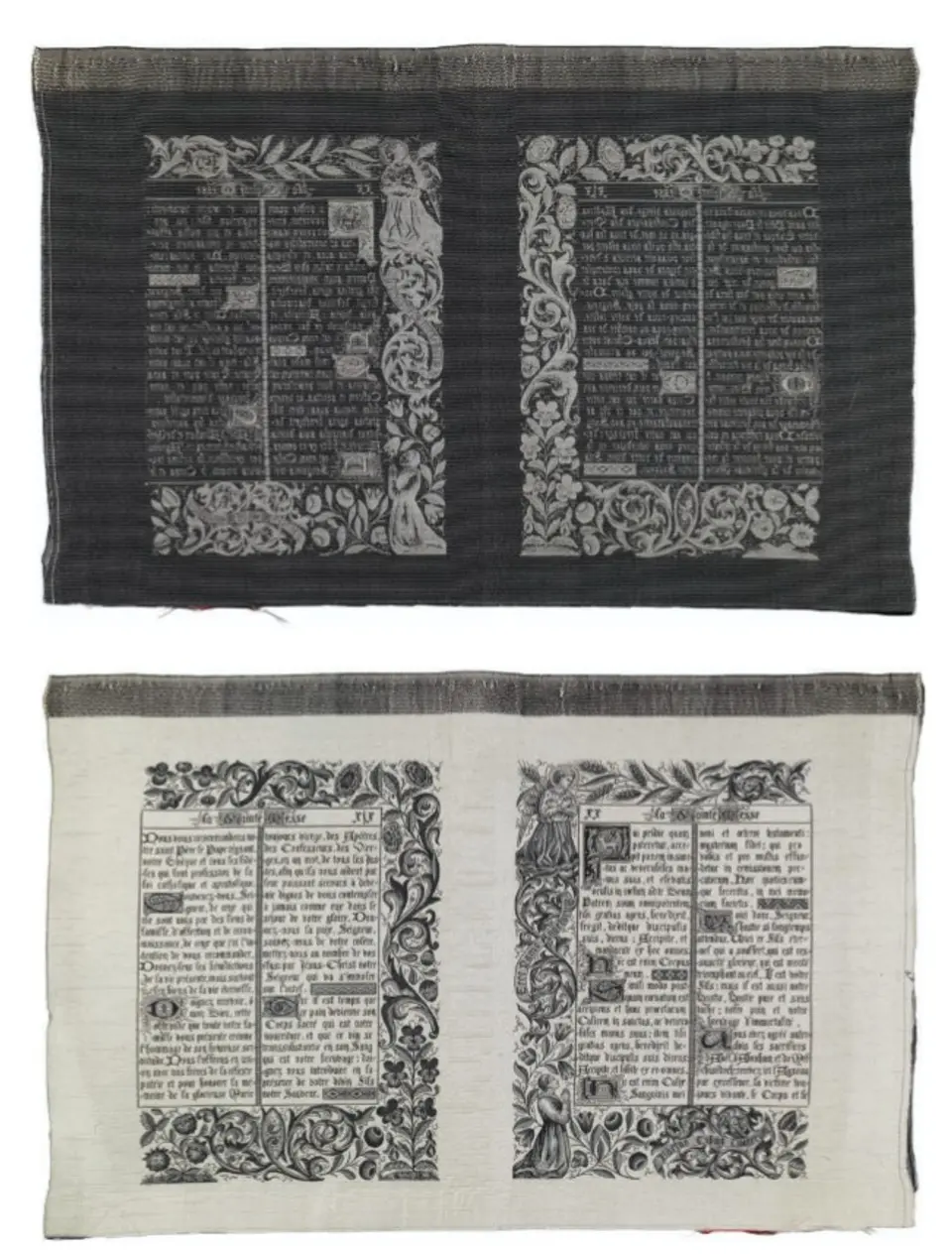 Reverse views of a double page from the Livre de Prières Tissé, showing the fabric before it was folded over and glued to its cardboard support. Sheet: 19 × 29 cm. (7 1∕2 × 11 7∕16 in.). The Walters Art Museum, Baltimore.
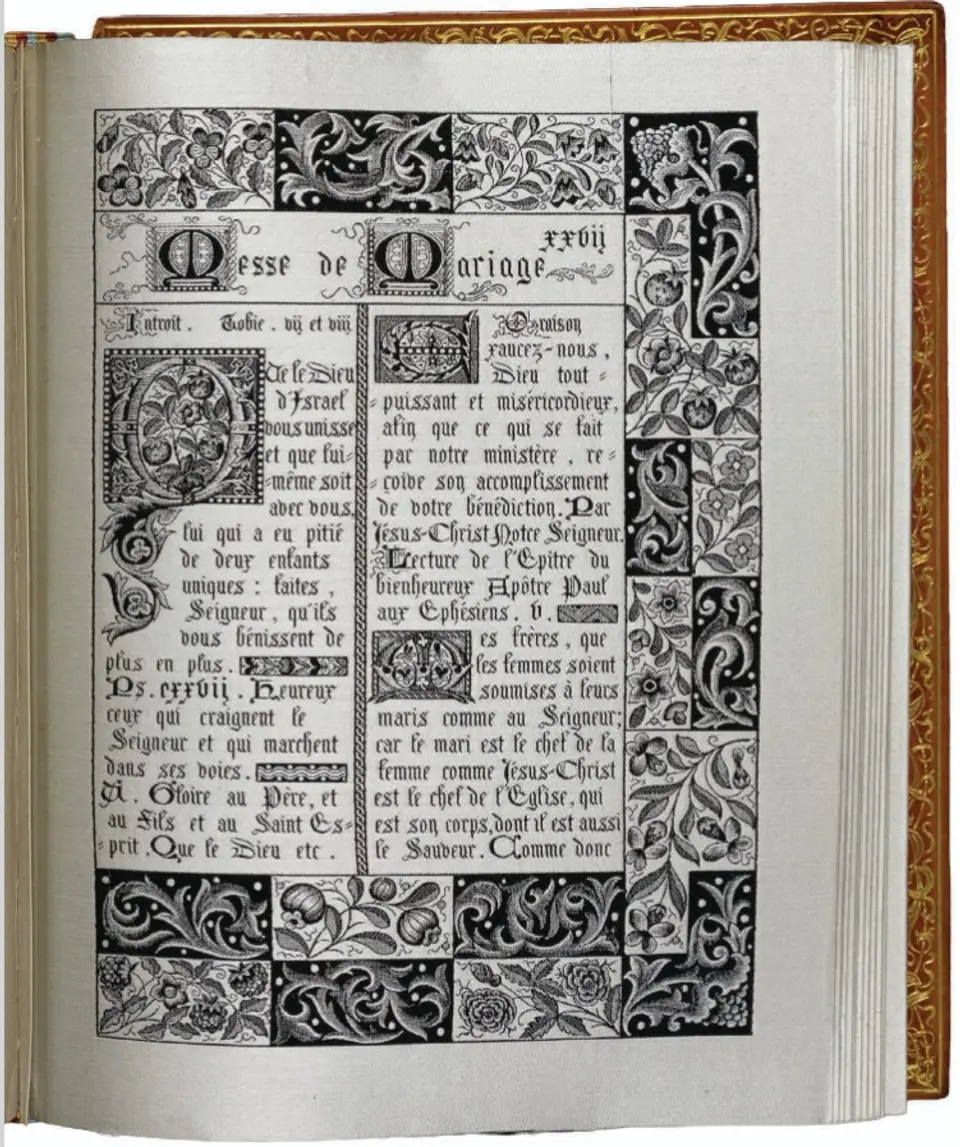 Messe de Mariage in Livre de Prières Tissé, 1886. Jacquard-woven silk mounted on cardboard supports. Opening: 17 × 26.5 cm. (6 11∕16 × 10 7∕16 in.). Newberry Library, Chicago.
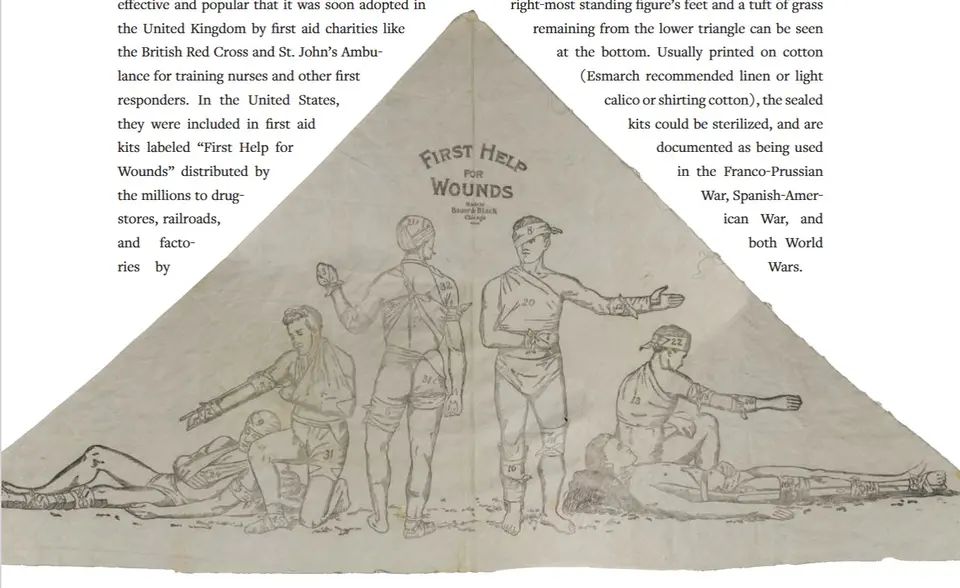 American, after Friedrich Esmarch (German, 1823–1908). First Help for Wounds (Esmarch Bandage), Bauer & Black, Chicago, USA, 1914–28. Lithograph in black on plain weave cotton cut on the bias. Bandage: 35.56 × 71.12 cm. (14 × 28 in.). Private collection, Chicago.
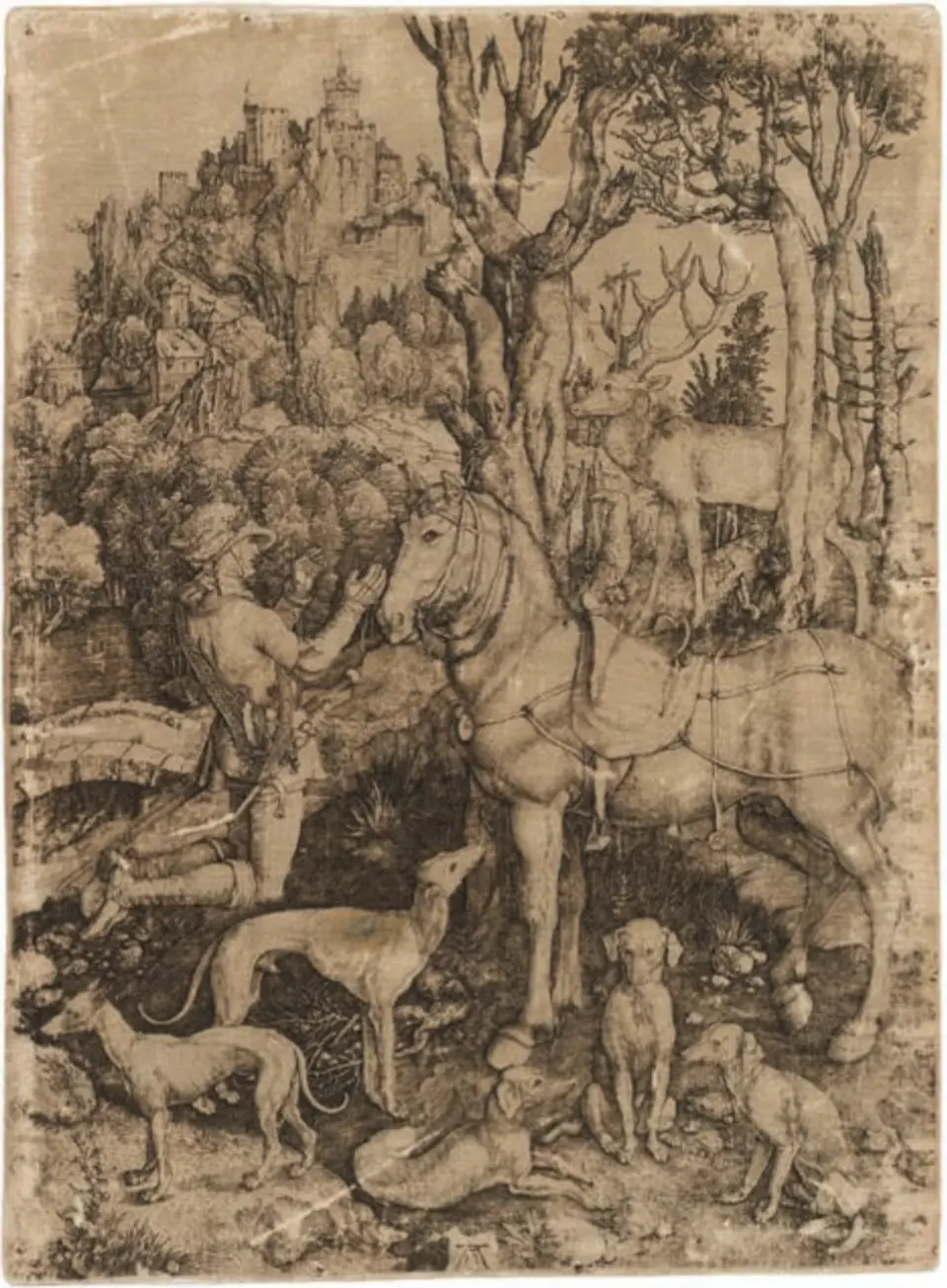 Albrecht Dürer (German, 1471–1528). St. Eustace, c. 1501, printed c. 1600. Engraving printed on satin. Plate: 35.5 × 25.9 cm. (14 × 10 3∕16 in.); sheet: 35.6 × 26.4 cm (14 × 10 3∕8 in.). Boston Museum of Fine Arts.
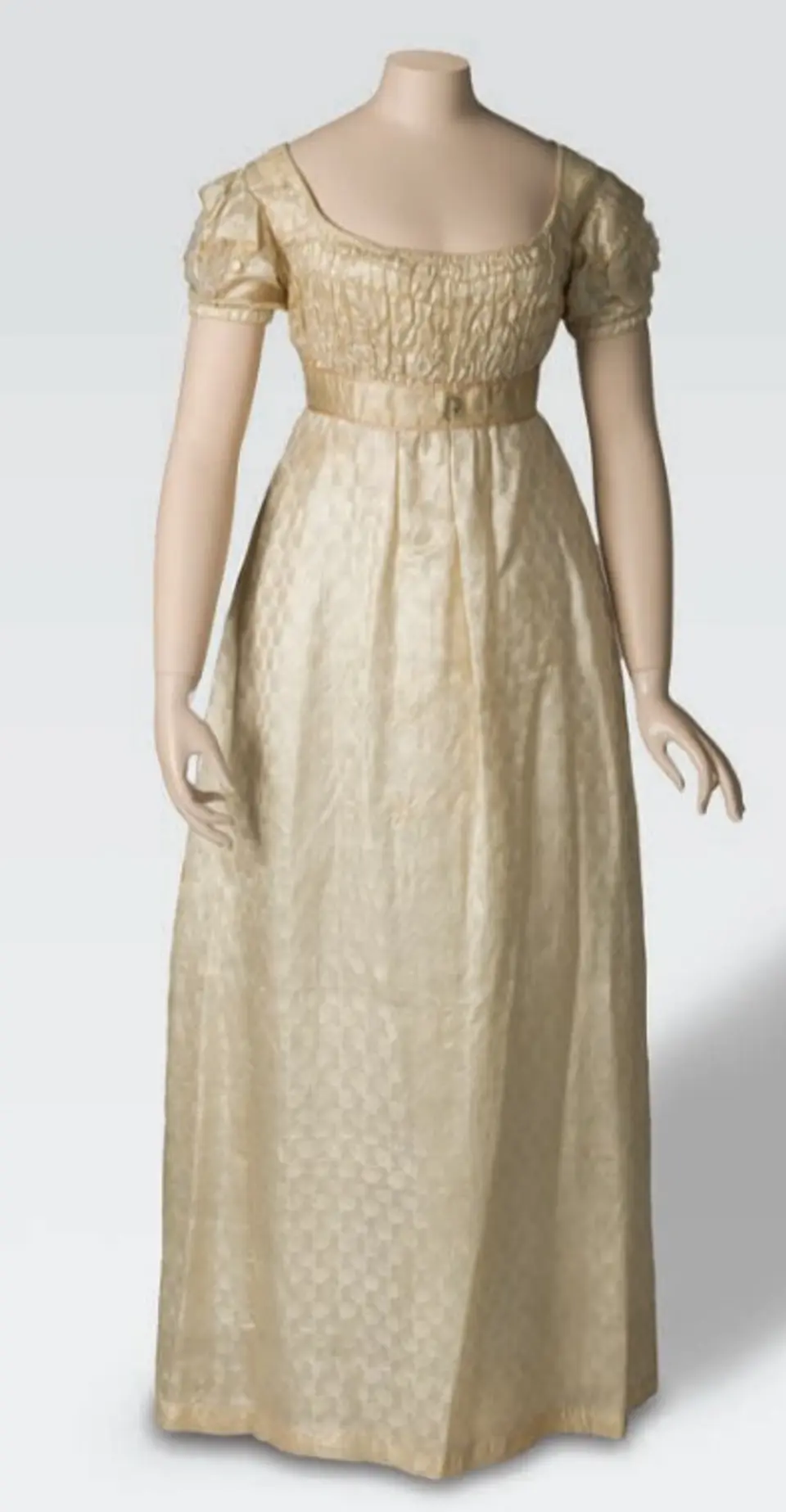
American, Virginia, Culpeper County (worn in). “Welcome Lafayette” Sash, 1820–25. Silk and cotton sash. Waist: 67.95 cm. (26 3∕4 in.); sash: 77.15 cm. (30 3∕8 in.). Colonial Williamsburg, Richmond, VA.
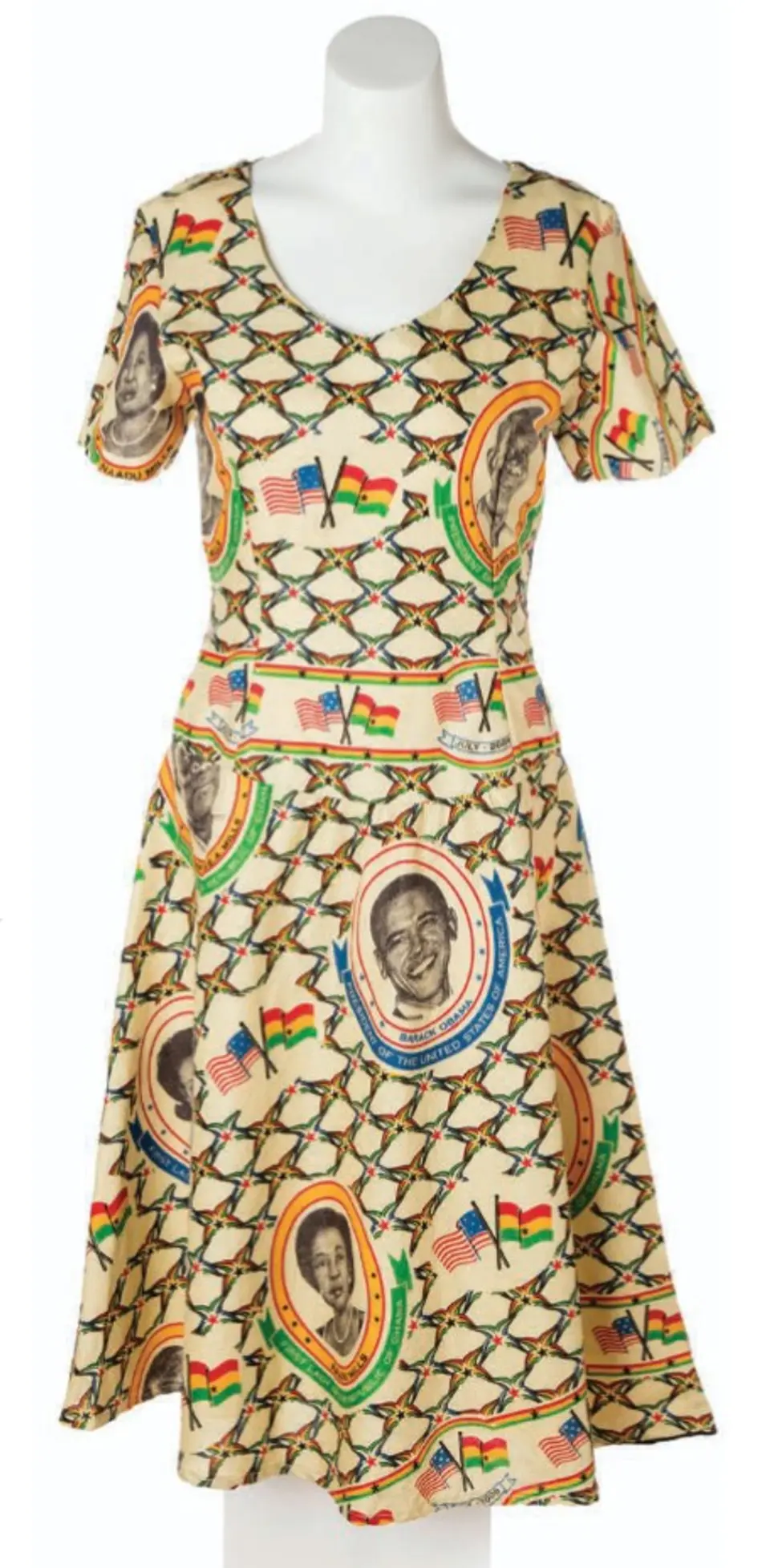
Dress commemorating the visit of Barack Obama and Michelle Obama to Ghana, 2009. Roller printed cotton, machine sewn. Overall: 105 × 89 cm. (41 5∕16 × 35 1∕16 in.). Melville J. Herskovits Library, Northwestern University Libraries, Evanston.
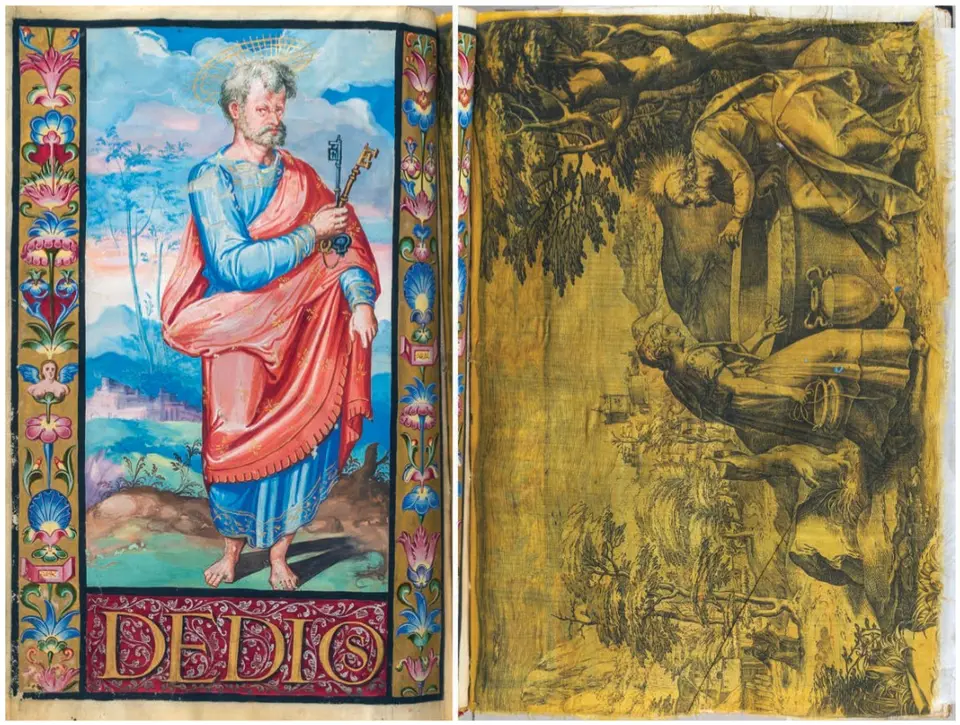 Illumination of St. Peter and Cornelis Cort (Netherlandish, 1533–1578) after Federico Zuccaro (Italian, 1540/41–1609), Christ and the Samaritan Woman, 1568. Engraving on yellow silk, bound in sideways. 23.1 × 31.5 cm. (9 1∕16 × 12 3∕8 in.). Hispanic Society of America, New York.
 Cherubino Alberti (Roman, 1553–1615) after Polidoro da Caravaggio (Italian, c. 1499–1543).
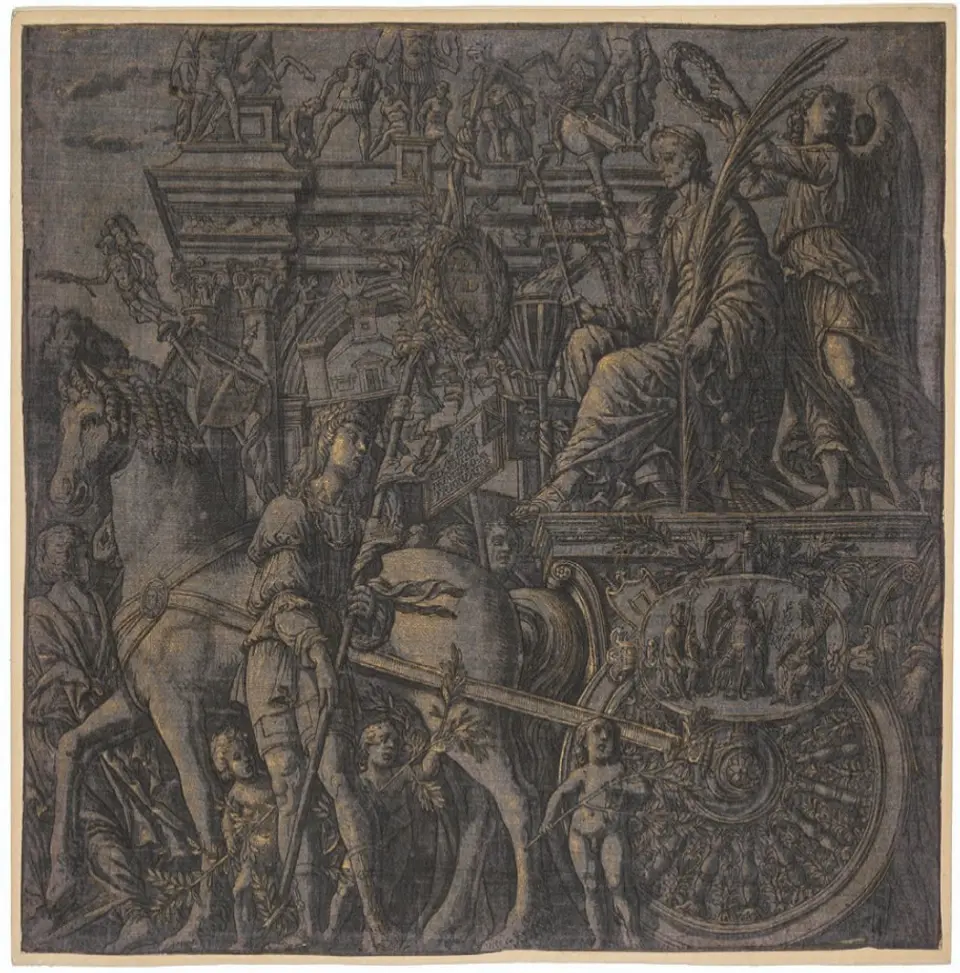 Andrea Andreani (Italian, 1558/59–1629) after Andrea Mantegna (Italian, 1431–1506). The Triumph of Caesar, 1599. Chiaroscuro woodcuts from three blocks, heightened by hand in gold, on purple silk. Each: 37 × 37 cm. (14 1∕2 × 14 1∕2 in.); overall: 37 × 333 cm. (14 1∕2 in. × 10 7∕8 ft.). Harvard Art Museums, Cambridge, MA.
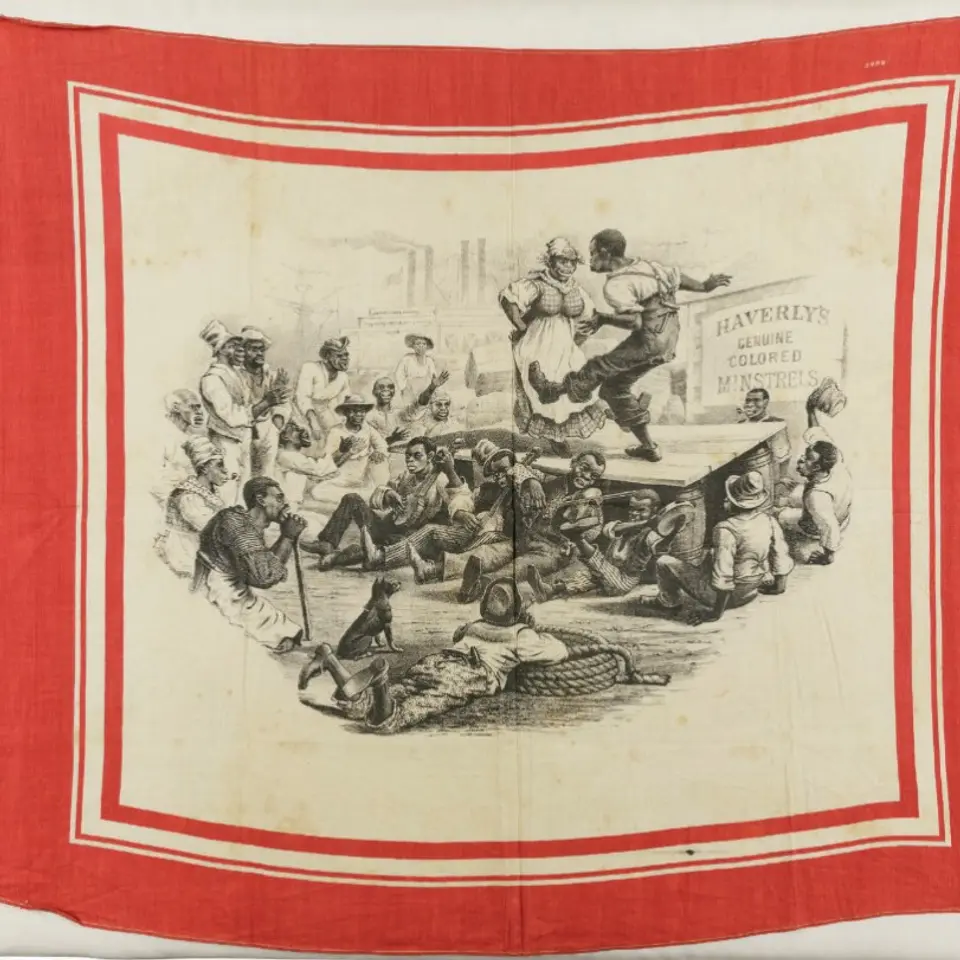 Handkerchief printed by Strobridge Lithographing Company, Cincinnati, featuring Haverly’s Genuine Colored Minstrels, 1878–81. Lithograph on plain weave cotton handkerchief with red striped edges. Handkerchief: 54 × 65 cm. (21 1∕4 × 25 9∕16 in.), image: 30.8 × 43 cm. (21 1∕8 × 16 15∕16 in.). Newberry Library, Chicago.

Curator / Podcaster / Fair Organizer
Ann Shafer is an independent curator, art historian, and a leading expert on the legacy of Stanley William Hayter and Atelier 17. As the creator and host of the Platemark podcast, she bridges the gap between technical print scholarship and the global community of artists and collectors.
Ann previously served as Associate Curator of Prints, Drawings, and Photographs at the Baltimore Museum of Art and has held curatorial positions at the Whitney Museum of American Art and the National Gallery of Art. She holds a BA from The College of Wooster and an MA from Williams College. Today, she channels her three decades of expertise into organizing the Brooklyn Fine Art Print Fair, co-editing a major centennial festschrift on Atelier 17, and leading curated art history tours across Europe. (Photo credit: Becky Redett)
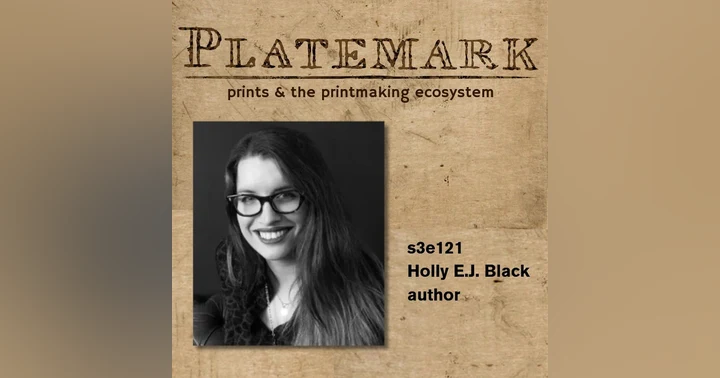
Show Notes: s3e121 Holly E.J. Black